

Tow Foiling
Tow foiling is the fastest way to learn the feel of a hydrofoil and the most efficient way to surf small open-ocean swells. This page covers what tow foiling is, how it compares to other foiling disciplines, the gear that works, and how to get started safely.
If you're piecing together a tow setup, the headline gear question has a clear answer for PPC riders: the UFO Pro is the board built for it.
What is tow foiling?
Tow foiling is hydrofoiling while being towed behind a jet ski or boat at low speed. The tow provides forward momentum, the foil generates lift, and you carve over the surface like an aircraft on a banked turn. Once you've matched a swell, you can release the tow rope and surf the wave on foil — silent, efficient, and longer than any prone-paddled wave you've ridden.
Tow foiling came from the kite and wake worlds in the early 2000s and has stayed niche compared to wing foiling. The appeal is two things: it's the fastest path to learning the foil itself (no wind required), and it opens up swells that prone surfers can't reach or generate enough paddle speed to catch.
Tow foiling vs other foiling disciplines
vs prone foiling. Prone uses paddle effort and waves for power. Tow uses a boat. Prone is harder to learn and lower on gear cost. Tow needs a jet ski, driver and bigger logistics — but it lets you ride tiny swells and open-ocean bumps prone can't access.
vs wing foiling. Wing uses a hand-held wing for wind-driven power. Tow uses a rope. Wing is more accessible day-to-day (no boat needed). Tow gives shorter, more wave-focused rides. Most foilers do both.
vs dock starting. Dock starting is the closest cousin to tow foiling. Same low-volume, thin, stiff board; same low take-off speed. The difference is the energy source — dock starts use the step-off momentum, tow uses the boat. Same board works for both.
vs downwind foiling. Downwind uses paddle and bumps for power. Tow uses a boat. Downwind boards are longer and higher-volume for paddle-ups. Tow boards are short and thin.
The gear
Tow board
Low volume, thin, stiff. A dedicated tow board releases cleanly at low speeds and turns sharply once on foil. Most wing foil boards are too high-volume to make this transition feel right.
PPC's tow board is the UFO Pro — thin MCT carbon construction, extra nose kick for confident take-offs, forgiving outline. Built specifically for wake, tow, kite foiling and dock starts. Volume range covers light riders through to heavier wave riders.
Foil
Tow foiling rewards a foil that's stable at low speed and predictable in tight turns. Mid-aspect front wings (around 1,200-1,800 sq cm) on a 75-85cm mast suit most tow sessions. Smaller, faster foils come in as you progress.
Tow rope and handle
A short tow rope (10-15m) with a quick-release handle is the standard. Quick release matters — when you crash, the rope has to leave your hand instantly, not get tangled with the foil. Don't compromise on this part of the kit.
Safety gear
Helmet and impact vest every session. Tow foiling crashes happen at speed and the foil is sharp. A wing foil leash is usually not needed — the rope is your tether — but a board leash is sensible.
The jet ski setup
Tow foiling needs a small or mid-size jet ski with a tow point and a competent driver. You're not running at water-ski speeds — take-off is around 8-12 knots, well below normal cruising. The driver needs to understand foiling: speed control, line-up for swells, and reading when you've released the rope to surf.
A two-person operation works best — the driver focused on the ski, a spotter watching the foiler. Single-handed tow is possible with practice but harder.
Boats with a tow tower (like a wake boat) also work. The tow point should be high enough to keep the rope clear of the prop and the foil.
Dock starts
Dock starting uses the same low-volume tow-style board but skips the rope. You step off a dock, seawall or pontoon directly onto the foil board and ride away from the structure. The foot push gives you the small amount of momentum you need to engage the foil.
Dock starting is huge in Auckland because of the local marina and harbour edges. Westhaven, the Viaduct, and various North Shore wharfs are common dock-start locations. The UFO Pro handles dock starts well — its thin profile and forgiving outline make the first transition feel manageable.
If you're learning dock starts, find a spot with deep water below, flat conditions, and somewhere to safely re-enter the dock after the ride. Helmet and impact vest still apply.
How to learn tow foiling
Five steps that work.
1. Foil first, tow second. Get a few foil sessions under your belt — behind a wing, on a SUP, or behind a boat at high speed — before trying low-speed tow. The foil's behaviour at speed is what you're learning.
2. Start with a competent driver. First tow session should be with someone who's done this before. The driver controls 80% of your experience as a learner.
3. Use a quick-release handle. Non-negotiable. Practice releasing the rope in your first session, while moving but before you're on foil.
4. Match speed to take-off, not cruise. Tow take-off is 8-12 knots, not 15-25. Wing foil boards launch fine at higher speeds but the UFO Pro releases cleanly at low speed. Trust the driver and the board.
5. Release into swells. Once you're confident on the rope, start releasing into small open-ocean swells. That's where tow foiling becomes addictive.
Tow foiling in Auckland
Auckland's Hauraki Gulf has the conditions for tow foiling — protected water, small swells, and a community of jet ski operators. PPC's Wairau Valley showroom stocks the UFO Pro and can talk you through the right setup for your weight and goals. Tow sessions themselves are typically organised through the local foiling community — get in touch via the contact page for connections.
Worldwide
PPC ships the UFO Pro and tow foiling gear worldwide. If you're piecing together a tow setup outside NZ, get in touch with your weight, your local conditions, and any other gear you already own. We'll talk you through the right board volume and foil setup.
Common questions
What is tow foiling?
Tow foiling is hydrofoiling while being towed behind a jet ski or boat at low speed. The tow gives you forward momentum so the foil generates lift without needing a wing or paddle to power yourself. It's the fastest way to learn the feel of the foil, and the most efficient way to surf small open-ocean swells that would be too soft for traditional surfing.
How is tow foiling different from prone foiling?
Prone foiling uses arm-paddling and a wave to generate speed; tow foiling uses a jet ski or boat. Tow foiling lets you ride waves that are too small or too far offshore for prone, and lets you focus on foil control before adding paddling effort. Prone is harder to learn but lighter on gear; tow needs a tow boat and driver.
How is tow foiling different from wing foiling?
Wing foiling uses a hand-held inflatable wing for power. Tow foiling uses a tow rope from a boat or jet ski. Tow rides are typically shorter and wave-focused; wing rides are longer and wind-powered. Most foilers eventually do both.
What's the best tow foil board?
Low-volume, thin and stiff is the formula. The PPC UFO Pro is built specifically for tow, wake and kite foiling — thin MCT construction, extra nose kick, forgiving outline for take-offs. Volume range 15-50L depending on rider weight and discipline.
Do I need a special board for tow foiling?
Yes — a dedicated tow board makes a real difference. Most wing foil boards are too high-volume to release cleanly at low tow speeds. Tow boards are thin, narrow, and built for the tow take-off and turning style. The UFO Pro is PPC's answer.
Can I dock start with a tow board?
Yes — many tow boards including the UFO Pro work well for dock starts. The same low-volume, thin, stiff formula that suits tow foiling also suits dock starts. You skip the tow rope and step straight off a dock or seawall onto the foil.
What jet ski setup do I need for tow foiling?
A small to mid-size jet ski with a tow point and a competent driver. You're towing at low speed (10-15 knots typically), not at water-ski speed. The driver needs to understand foiling — speed control matters more than horsepower.
Is tow foiling safe?
It can be — but the foil is sharp, the tow rope is a hazard, and the open ocean is unforgiving. Wear a helmet and impact vest every session. Use a quick-release rope handle so you can drop the tow if you crash. Tow with a driver you trust.
How fast do you go tow foiling?
Take-off speed is around 8-12 knots. Once you're up on foil and surfing a swell, ground speed depends on the wave, not the tow — typically 15-25 knots in good conditions. You'll release the rope once you're carving a swell.
Can I learn tow foiling in Auckland?
Yes. PPC's Auckland team can advise on tow foiling setups and pair you with the UFO Pro board. Sessions need a jet ski and a competent driver — typically organised through the local foiling community. Get in touch via the contact page for connections.
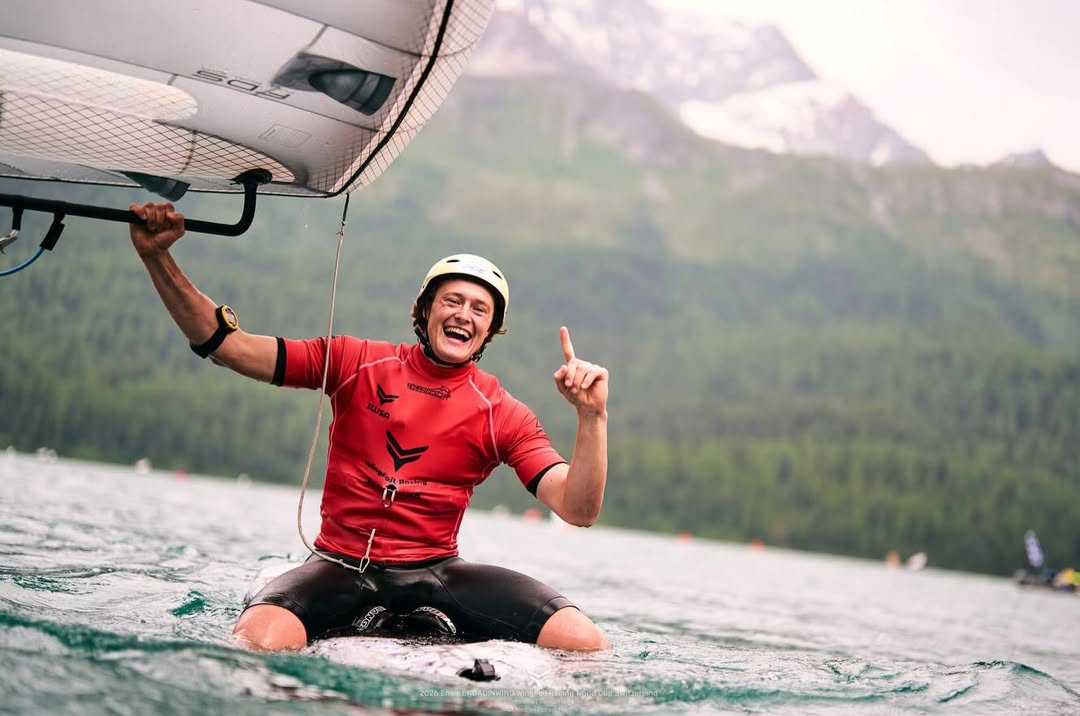
Kamil Manowiecki Wins the 2026 WingFoil Racing World Cup in Silvaplana
Kamil Manowiecki is a World Cup winner. The PPC rider took the overall men's title at the 2026 Ensis ENGADINWING WingFoil Racing World Cup on Lake Silvaplana, Switzerland. He did it the hard way, f...
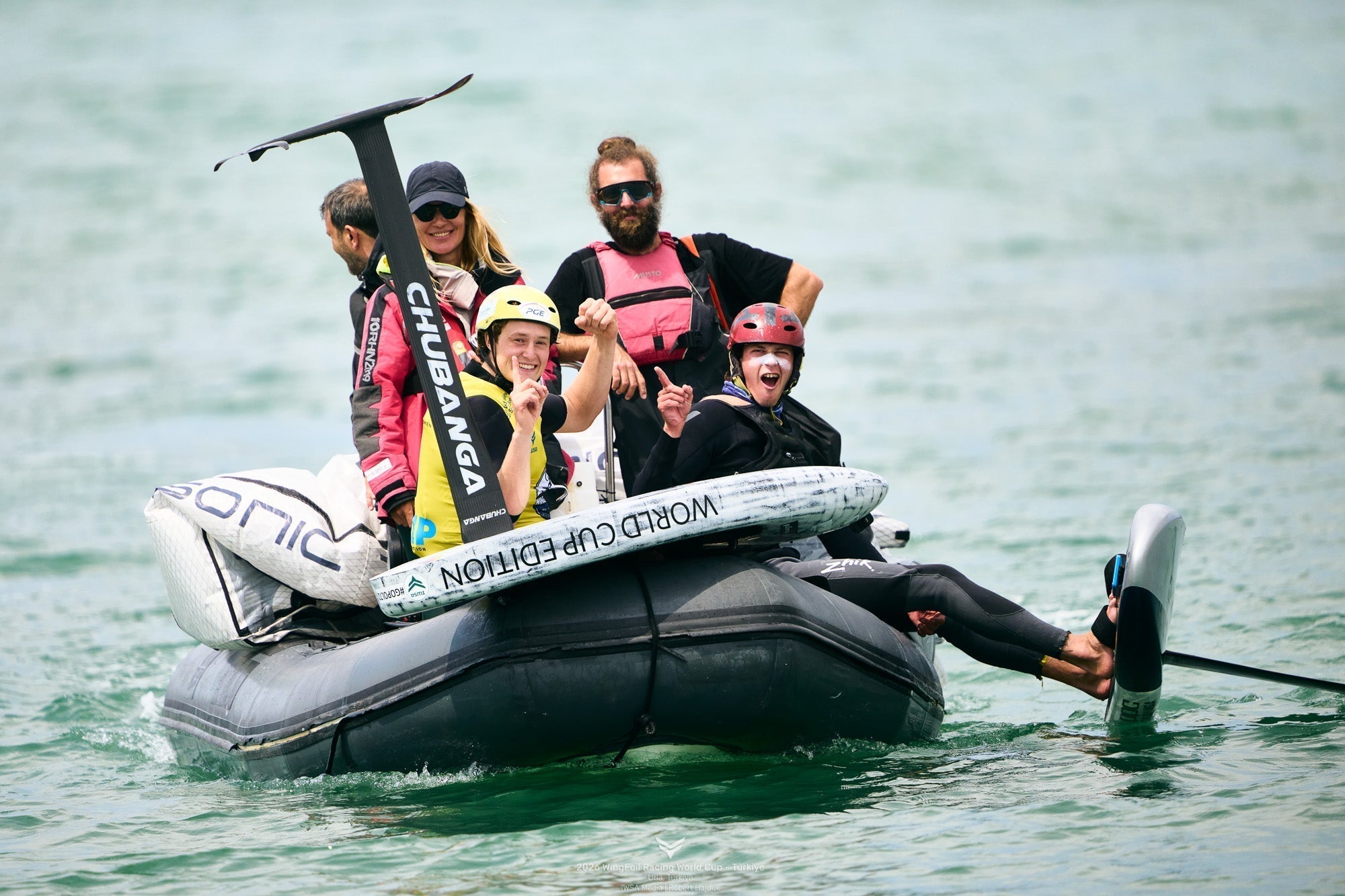
Wingfoil World Cup Türkiye 2026 Another outstanding week of racing for PPC Foiling, highlighted by exceptional performances across the fleet. At the Wingfoil Racing World Cup Türkiye 2026, Kamil Ma...

2026 Formula Wing Europeans - Aimilia Kosti
Aimilia Kosti first performance as a new PPC Team Rider.

2026 Formula Wing Europeans - Kosta Gladiadis
Kosta Gladiadis delivered a strong performance for his first open event!
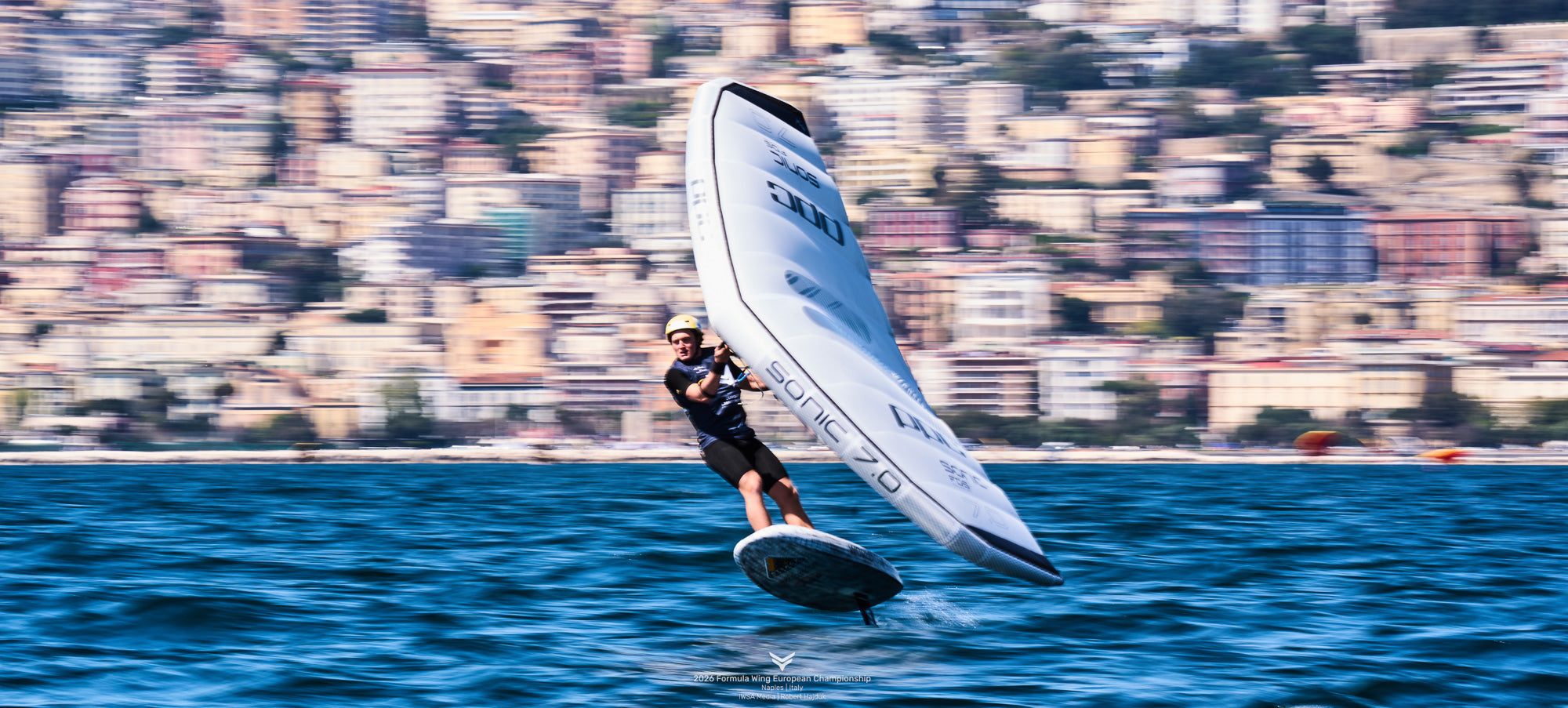
2026 Formula Wing Europeans - Kamil Manowiecki
Kamil Manowiecki finished 6th overall at the 2026 Formula Wing European Championships in Naples.
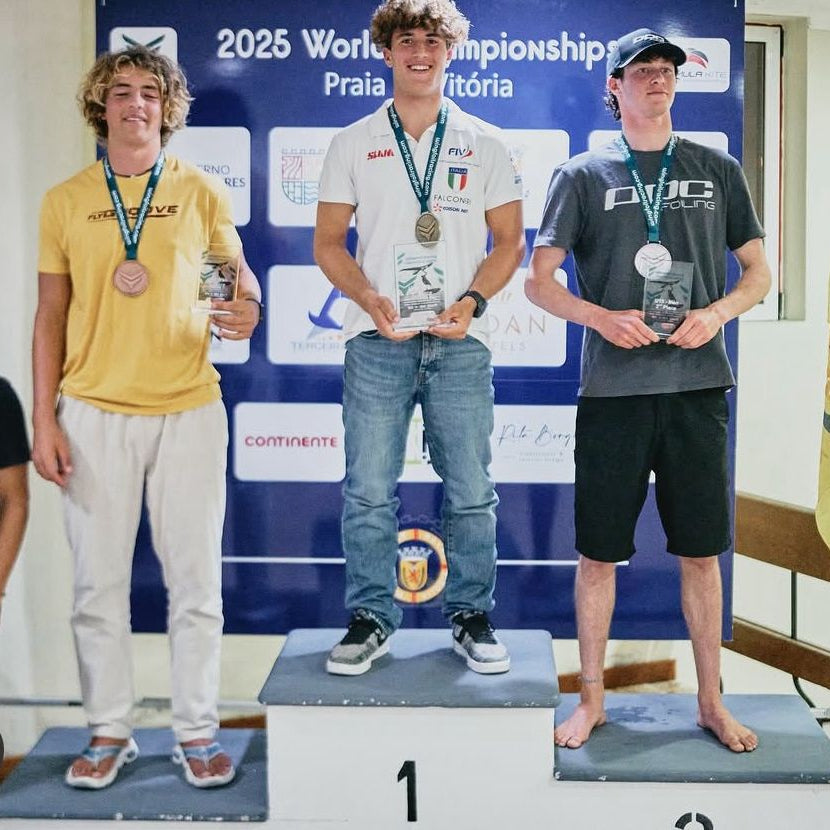
Kosta Takes Silver, Formula Wing World Youth, 2025
We’re incredibly proud to celebrate our team rider Kosta Gladiadis, who claimed an outstanding 2nd place finish at the 2025 WingFoil Racing Youth & Masters’ Worlds