

Wing Foiling for Beginners
Wing foiling is the fastest-growing water sport in the foiling family. It's lighter on gear than kitesurfing, gentler than windsurfing, and gets you flying above the water within a handful of sessions on the right setup. This page is the path: what to buy, how to learn, what it costs, and where to start in New Zealand.
If you want the long-form explainer on what wing foiling is and how the physics work, read the PPC wing foiling guide. This page is for riders who've decided they're starting and want to know how.
The path from never-foiled to foiling
The honest version:
Sessions 1-2. Wing handling on land. First time on a board. Standing up and uphauling the wing without falling off every time. Getting comfortable with the gear close to shore.
Sessions 3-5. The first foil moments. Catching short flights as the board lifts and drops back. Building the body position muscle memory.
Sessions 5-10. Sustained foiling rides. Getting upwind. Starting to carve and turn. This is the breakthrough zone.
Sessions 10-20. Tacks and jibes. Riding in a wider wind range. Starting to feel like a wing foiler.
Sessions 20+. Surf. Freestyle. Downwind. Whatever direction you want to take it.
Coached lessons compress this. Most self-taught riders take roughly twice as long as riders who took a few hours of coaching to start.
What gear you actually need
A complete beginner kit has five pieces.
1. A high-volume wing foil board
Volume is the single most important spec for a beginner. Body weight in kg plus 30 to 40 litres is the rule of thumb. An 80kg rider wants a 110-120L board. The volume gives you the stability to stand, uphaul the wing, and recover from crashes.
PPC's beginner board is the Soar at 73L or 83L for typical adults. Full-carbon MCT construction, light but stiff. Five-year warranty. You can use the PPC volume calculator to dial in your exact volume based on weight and skill.
2. A beginner-friendly wing
Size the wing to your body weight and your typical local wind. A rider around 75-85kg in 15-20 knot conditions starts on a 5.0m. Lighter wind or heavier rider, size up. Stronger wind, size down.
PPC's beginner wing is the M1-L. It's PPC's value-priced wing — Dyneema-reinforced frame, carbon ergo boom, forgiving handling. The M1, M1-X and M2 are higher-performance options as you progress.
3. A hydrofoil
The foil has four parts: mast, fuselage, front wing, stabiliser. For beginners you want a mid-aspect front wing (large surface area, stable) on a 75cm mast. Faster, smaller front wings come later.
Foil packages are usually sold as complete sets matched to the rest of the gear. Talk to the team about the right setup — your weight and your wind decide it.
4. A wing leash
Wrist or waist, your choice. PPC sells both — wrist leash for direct connection, waist leash for less drag. Don't ride without one. A loose wing flies downwind faster than you can swim.
5. A board leash
Coil or straight, ankle. A coil board leash stays out of the way and keeps the board close after a crash.
Smart additions
Wetsuit (you'll be in the water a lot in your first sessions). Helmet (the foil is sharp). Impact vest (foil crashes hurt less). PPC sells the 2ndSKN wetsuit in 2-5/4mm thicknesses for NZ water.
What it costs
Honest pricing for a complete beginner setup in NZD:
- Board (Soar 73L or 83L): around $2,800-3,200
- Wing (M1-L 5.0m or similar): around $1,200-1,500
- Foil package (front wing + fuselage + mast + stabiliser): around $1,500-2,500 depending on brand
- Leashes: around $100 total
- Wetsuit / safety: $400-700
Total: NZD $6,000-$7,900 for a complete first kit.
Cheaper paths exist — used gear, cheaper wings, lower-end boards. The honest take: cheap gear makes learning harder. Stiff boards transmit input clearly. Stable wings give cleaner feedback. Trying to save $1,500 at the bottom of your learning curve usually costs more in time and frustration.
How to learn wing foiling
Five steps that work.
1. Take a coached lesson first. Highest-ROI move you'll make as a new rider. A coach gets you on the foil in fewer sessions, teaches safer habits, and pairs you with the right gear. PPC's Auckland sessions include the board, wing, foil and leashes, plus an instructor. Book through the Auckland page.
2. Practice on land. Even after lessons, twenty minutes of wing handling on grass between sessions builds muscle memory faster than another water session. Sheet in and out, walk forward and back, jibe overhead.
3. Demo before you buy. The board and wing you'll progress on are not the same as the ones you'll ride after two years. Demo sessions help you pick gear that fits where you are now and gives you room to grow.
4. Pick the right wind. 12-20 knots steady is the sweet spot for learning. Avoid offshore wind (gear can blow away if you lose it) and gusty conditions (overpowering moments throw you off).
5. Build session frequency. Two short sessions a week beat one long session. Skills consolidate between sessions. If you can ride every weekend in your first season, you'll be a real wing foiler by summer's end.
The PPC beginner setup we recommend
If we were setting up a complete beginner today, this is the kit:
- Board: PPC Soar 73L or 83L depending on body weight
- Wing: PPC M1-L 5.0m for typical NZ wind
- Foil: mid-aspect setup, 75cm mast, large stable front wing
- Leashes: PPC wrist wing leash + PPC coil board leash
- Wetsuit: PPC 2ndSKN 3/2mm for most NZ months
That setup gets you on the foil and gives you room to progress. The board's volume range covers learner to intermediate. The M1-L wing is forgiving but performant enough that you won't outgrow it in three months.
Where to learn in Auckland
PPC runs intro lessons and progression coaching out of the Wairau Valley showroom at 10B/89 Ellice Road. Sessions happen at North Shore spots based on the wind on the day — most often Takapuna or Browns Bay. All gear supplied. Full details on the Auckland wing foiling page.
If you're not in Auckland
PPC ships gear worldwide. Demo sessions are Auckland-based, but the same gear and the same advice are available remotely. Email the team with your weight, your typical wind, and where you ride. We'll talk you through the right setup before you buy.
Common questions
How hard is wing foiling to learn?
Wing foiling is one of the more approachable foiling disciplines. Most new riders are foiling within three to five sessions on the right beginner gear. It's easier than kitesurfing because the wing depowers instantly when you let go, and gentler than windsurfing because there's less heavy rig to manage.
How long does it take to learn wing foiling?
Plan for three to ten sessions to be riding consistently on the foil. Standing on the board with the wing comes in the first session. Carving and going upwind take longer. A coached lesson cuts the learning time in roughly half compared to teaching yourself.
What's the best beginner wing foil board?
The PPC Soar at 73L or 83L is PPC's most-used beginner-to-intermediate board. Soar is full-carbon MCT construction, stable enough to stand and uphaul, stiff enough to feel fast once you're foiling. For lighter riders the 53L or 63L works. For heavier riders or absolute beginners we'd pair you with extra volume.
What's the best beginner wing?
The PPC M1-L. It's the entry-priced wing in PPC's range, with a Dyneema-reinforced frame and a carbon ergo boom. Built to be forgiving while you learn handling. Pick the size based on your weight and local wind — a 5.0m suits most 75-85kg learners in 15-20 knots.
How much does a beginner wing foiling kit cost?
A complete beginner kit (board, wing, foil, leashes) is typically NZD $5,000 to $7,500 depending on wing size and board volume. Most riders buy a single setup, then add a second wing in year two to widen wind range. Demo sessions before you buy help you avoid expensive mistakes.
Do I need lessons or can I teach myself?
You can teach yourself but coached lessons are the highest-ROI move a new rider can make. Most self-taught riders spend two or three sessions on basic mistakes that a coach would catch in five minutes. PPC's Auckland intro sessions include all gear and an instructor for your first time on the water.
What gear do I need to start?
Board, wing, foil (mast + fuselage + front wing + stabiliser), wing leash, board leash. A wetsuit, helmet and impact vest are smart additions. For your first lessons we supply all the gear — you bring swimwear and a towel.
Can I demo gear before buying?
Yes. PPC's Auckland team runs demo sessions on most of the wing and board range — M1, M1-X, M2, M1-L, Sonic FDS wings, plus Soar, Soar Pro, Link, ZEN and Prone Surf boards. Tell us your weight, wind and goals and we'll set up matched gear.
What wind do I need to learn in?
12 to 20 knots steady gradient wind is the sweet spot. Stronger wind makes the wing harder to handle. Lighter wind makes uphauling and getting on foil difficult. PPC pairs your lesson with the right gear for the day's conditions.
Is wing foiling safer than kitesurfing or windsurfing?
Generally yes — the wing has no lines, no bar with a release, no risk of being lofted. You can let go of the wing instantly and it depowers. The main hazards are the foil itself (always wear a helmet and impact vest) and offshore wind (gear can blow away if you lose it). Lessons cover safety on session one.
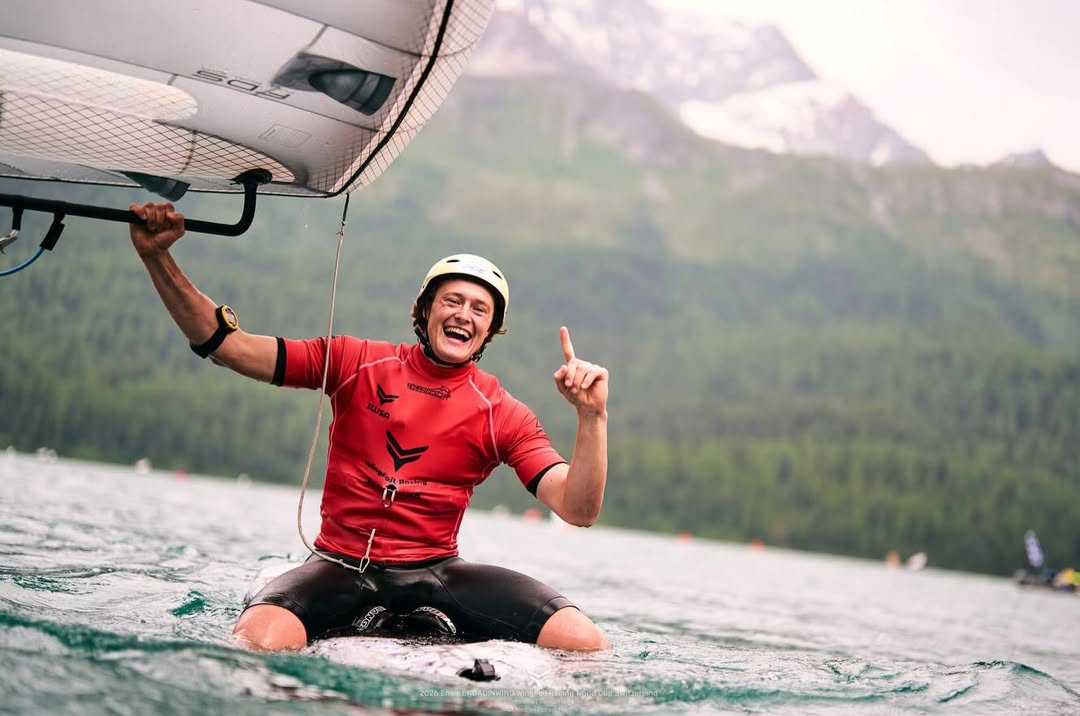
Kamil Manowiecki Wins the 2026 WingFoil Racing World Cup in Silvaplana
Kamil Manowiecki is a World Cup winner. The PPC rider took the overall men's title at the 2026 Ensis ENGADINWING WingFoil Racing World Cup on Lake Silvaplana, Switzerland. He did it the hard way, f...
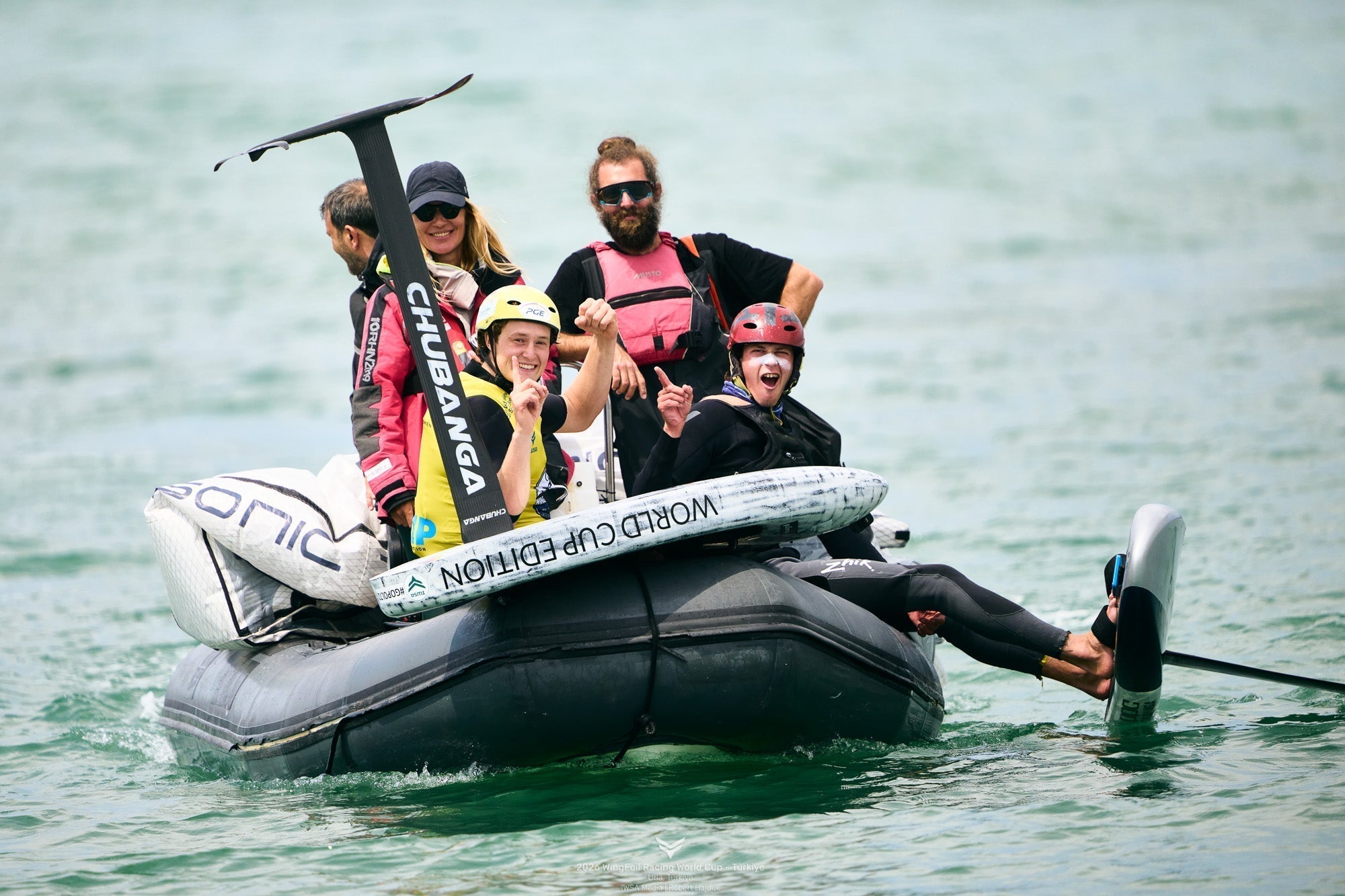
Wingfoil World Cup Türkiye 2026 Another outstanding week of racing for PPC Foiling, highlighted by exceptional performances across the fleet. At the Wingfoil Racing World Cup Türkiye 2026, Kamil Ma...

2026 Formula Wing Europeans - Aimilia Kosti
Aimilia Kosti first performance as a new PPC Team Rider.

2026 Formula Wing Europeans - Kosta Gladiadis
Kosta Gladiadis delivered a strong performance for his first open event!
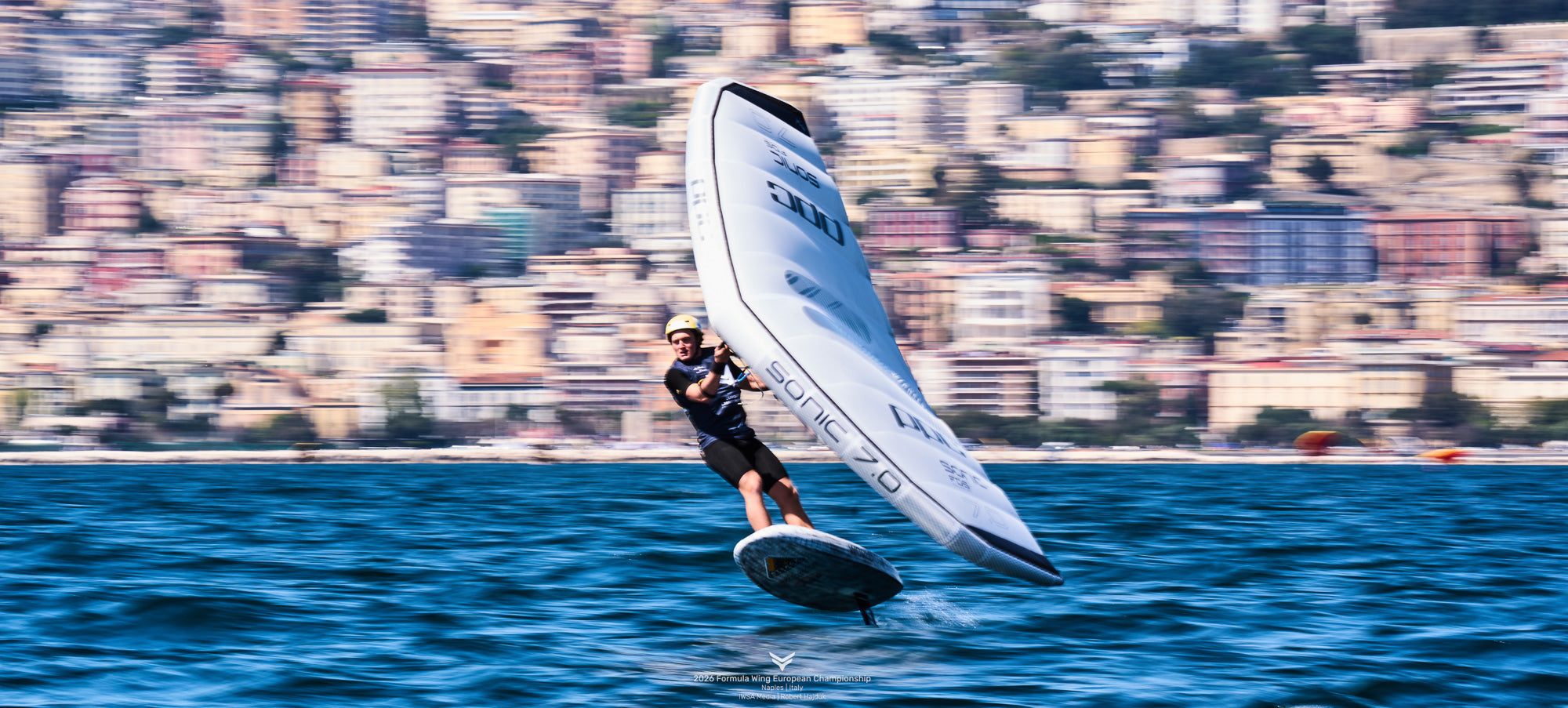
2026 Formula Wing Europeans - Kamil Manowiecki
Kamil Manowiecki finished 6th overall at the 2026 Formula Wing European Championships in Naples.
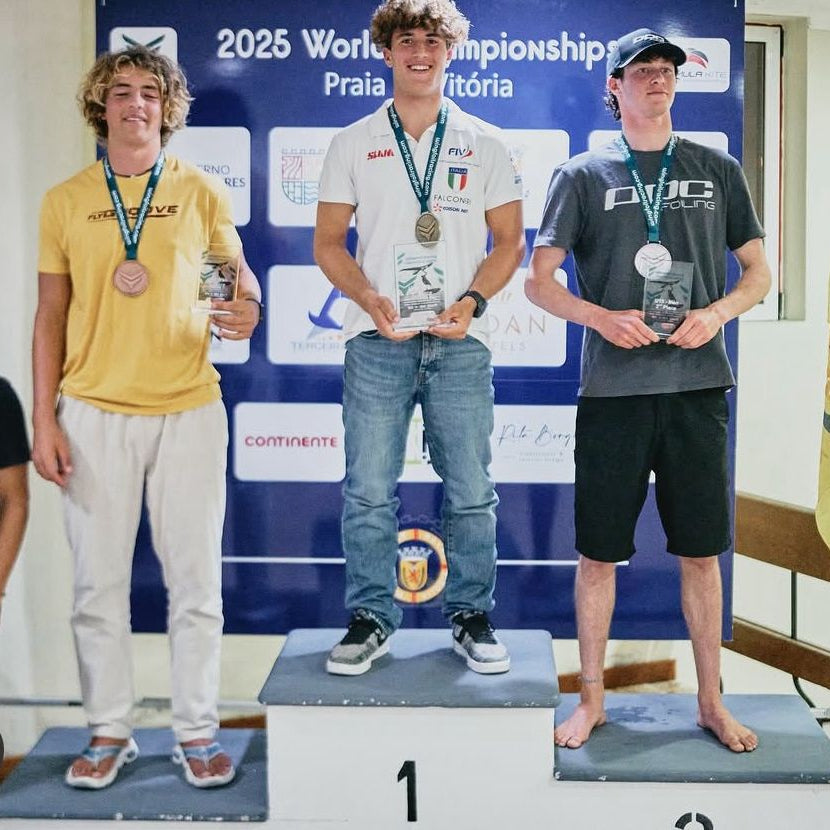
Kosta Takes Silver, Formula Wing World Youth, 2025
We’re incredibly proud to celebrate our team rider Kosta Gladiadis, who claimed an outstanding 2nd place finish at the 2025 WingFoil Racing Youth & Masters’ Worlds